The Weight of the Page: New York’s Score Dealers and the Collectors Who Read Between the Lines
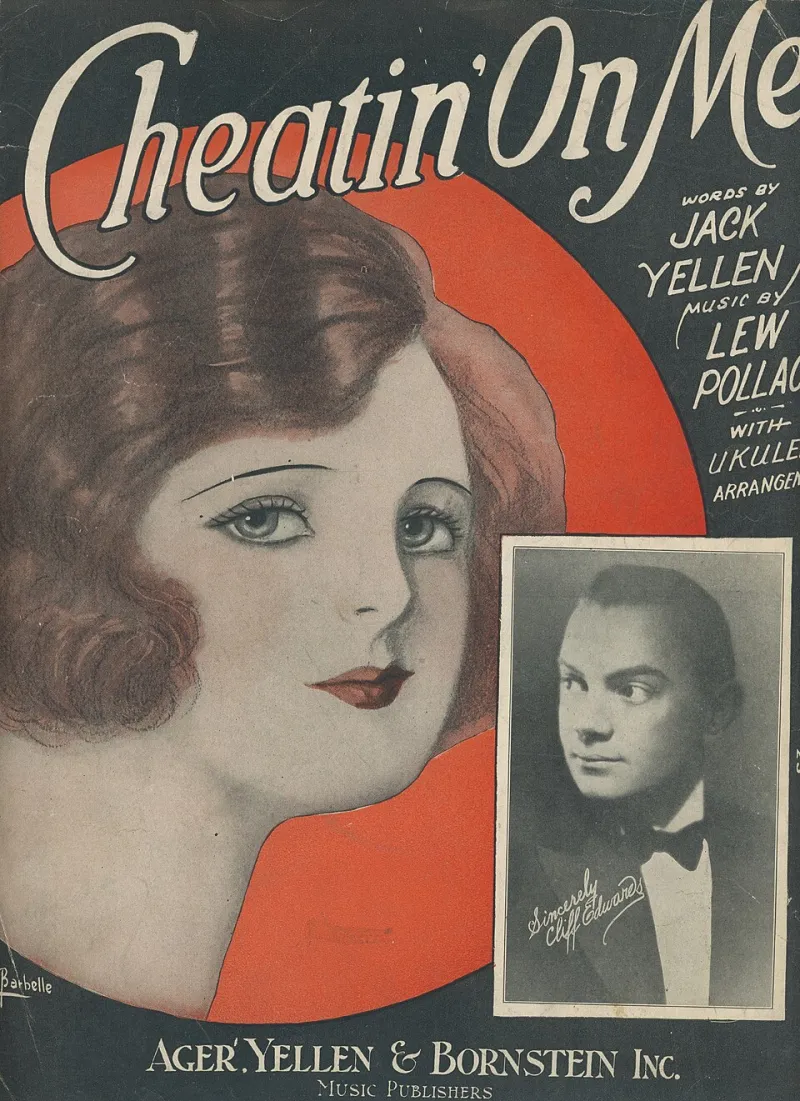
Photo: Unknown cover artist, Public domain, via Wikimedia Commons
New York has never lacked for music. It has, however, learned to be careful about paper. In 2026, the city’s independent sheet music counters and antiquarian dealers occupy a narrow but durable place in the classical ecosystem: too specialized to be ordinary retail, too useful to disappear entirely. Musicians come for a working copy before a rehearsal; students come to compare bowings; collectors come looking for a first printing that may not exist anywhere else in the five boroughs. The transaction is often small—a score, a folder, a box of parts—but the stakes are not. A physical score is a tool, a witness, and sometimes a small historical artifact.
A Market of Working Copies
The first thing to understand about the New York score trade is that it is not one market. It is several, overlapping. At one end sits the practical market: scores bought because a pianist needs a reliable edition, a singer needs a clean vocal line, or a chamber group needs a set of parts that actually match. At the other end sits the collector’s market: first editions, association copies, annotated working scores, and rare imprints valued for provenance as much as for playability. Between them are the students, teachers, and amateur enthusiasts who want something neither purely functional nor purely precious—an edition they can mark up without guilt, but one with enough editorial integrity to trust.
That middle ground is where most of the city’s remaining counters do their quiet business. The clerks and dealers who work there tend to speak less about “rare” than about “usable.” They know that a score’s condition matters differently to a performer than to a collector. A little penciled fingering may lower a collector’s interest and raise a pianist’s. A cracked spine may be fatal to one buyer and irrelevant to another who plans to scan the pages for study. The best dealers ask what the score is for before they quote a price.
What Collectors Actually Chase
For collectors, the vocabulary is specific. Edition matters: who edited the text, when it was printed, and whether the print derives from the composer’s lifetime or from a later house style. Plate numbers can help date an imprint. Title pages, publisher catalogues bound at the back, and copyright notices all leave clues. So do paper quality, engraving style, and the presence of original wrappers. A first printing of a twentieth-century work may be less visually grand than a nineteenth-century folio, but its documentary value can be greater.
Then there is the matter of annotation. A score marked by a distinguished performer or teacher can carry unusual authority—provided the provenance is sound. Collectors learn to distinguish a musician’s working pencil from a later owner’s enthusiastic but anonymous scribbles. They also learn to ask whether the markings are contemporary with the edition, whether they reflect a particular school of bowing or pedaling, and whether the seller can document the chain of ownership. In New York, where musical lineages are long and archives are deep, those questions are not academic. They are the difference between a souvenir and a document.
A Practical Route Through the City
The most reliable starting point remains the New York Public Library for the Performing Arts at Lincoln Center. Its research and circulating collections are not a shop, but they are the city’s best classroom for anyone learning to read a score as an object. Compare editions there before you buy. Note how fingerings, bowings, and editorial prefaces differ. The library also reminds collectors that access and ownership are different pleasures: sometimes the right score is one you consult, not one you keep.
From there, the browsing route is best followed slowly. Antiquarian book fairs and estate sales reward early arrivals and close inspection. General bookstores with music shelves occasionally hold unexpected scores, especially in the West Village and along the used-book corridors of lower Manhattan. Specialist dealers issue catalogues and maintain want lists; for serious collectors, a relationship with two or three dealers is more useful than a Saturday spent scrolling. The remaining sheet music counters, meanwhile, are places to ask questions. Ask about returns, about approval copies, about whether a set of parts is complete. Ask to see the title page and the last page. A dealer who welcomes such scrutiny is a dealer worth returning to.
The Ethics of the Pencil
There is an etiquette to buying used scores, and it is not merely commercial. Do not erase a previous owner’s markings without thinking. Do not assume that a clean copy is superior to an annotated one. Do not treat a library’s score as a dealer’s inventory. And do not confuse scarcity with value: a rare edition that no one can use is a curiosity, not a cornerstone.
For performers, the reverse is also true. A working score is not a pristine object. It is a record of decisions. Bowings change in rehearsal; fingerings migrate; a conductor’s tempo marking may sit beside a pianist’s caution. New York’s collectors increasingly understand that these traces are part of the music’s social history. The city’s dealers, in turn, understand that they are selling not just paper but access to a tradition that was made, revised, and argued over in rooms much like their own.
Why the Counter Still Matters
The digital score has real advantages: portability, searchability, and the ability to carry an entire opera in a tablet. But it has not replaced the counter. A screen cannot easily show you the weight of a page, the bite of an engraving tool, or the difference between a later reprint and a lifetime impression. It cannot replicate the serendipity of a bin of loose parts or the counsel of a dealer who knows that the edition you are holding is not the one you want.
In 2026, New York’s score trade survives because it serves both use and memory. The musician needs a copy that will survive a rehearsal. The collector needs a copy that will survive a century. The city needs both, and the remaining counters—small, specialized, and stubbornly physical—continue to provide the meeting ground.