Five Boroughs, Infinite Stages: New York's Secret Classical Music Destinations
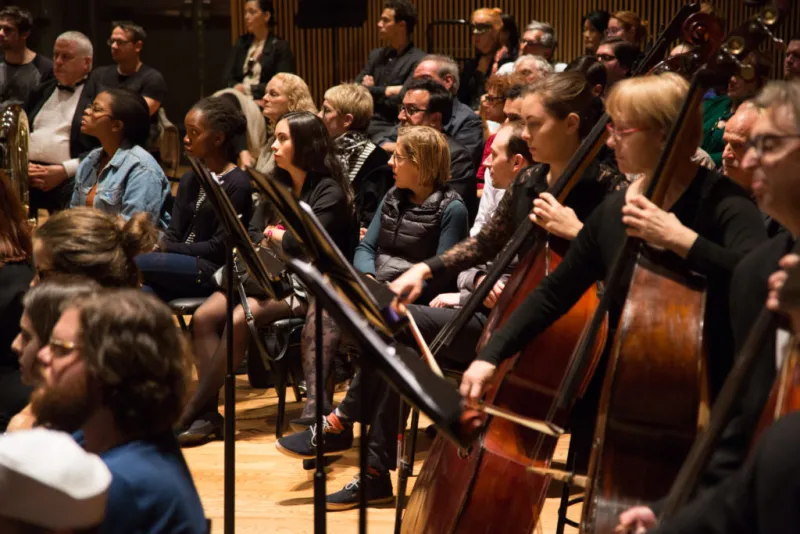
Photo: intimate chamber music concert small venue New York City audience, via album-collection.net
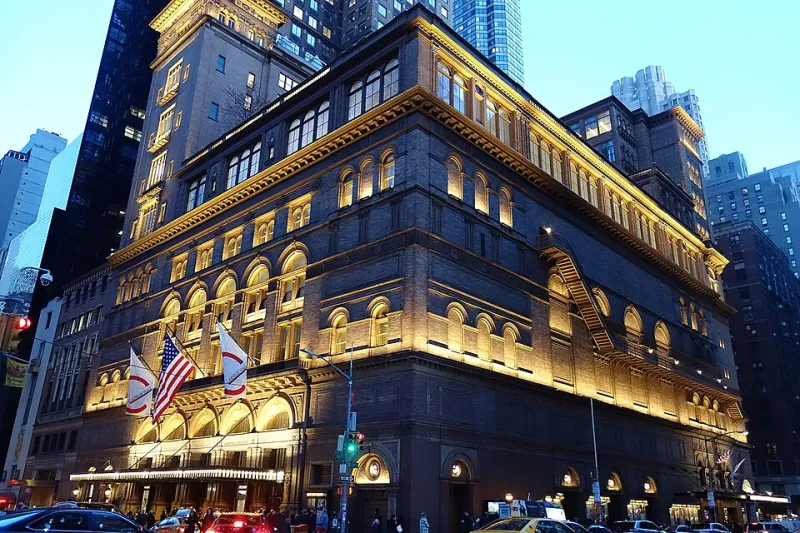
Lincoln Center and Carnegie Hall are magnificent, but they represent only a fraction of the classical music being made in New York City on any given evening. Across all five boroughs, a thriving underground of intimate concert series, repurposed sanctuaries, and fiercely independent ensembles is keeping the tradition alive—and in many cases, pushing it in thrilling new directions. Here is your guide to the hidden classical world that most Manhattanites never discover.
Why Venture Beyond the Obvious
There is a particular kind of listening that only becomes possible in a small room. When a string quartet performs in a space that seats eighty people, you hear the breath of the musicians, the subtle shift in a cellist's bow pressure, the resonance of wood and gut in a way that no world-class acoustic hall can fully replicate. New York's lesser-known classical venues offer precisely this quality of intimacy—and they offer it at price points, and with a spirit of openness, that the major institutions rarely match.
Beyond the acoustic argument, there is the simple matter of discovery. Some of the most compelling classical musicians working in America today are building their reputations not on the main stage of Avery Fisher Hall but in the converted churches of Bed-Stuy, the community arts centers of Astoria, and the loft spaces of the South Bronx. To ignore these venues is to miss a vital chapter of the story.
Brooklyn: Sacred Spaces and Storefront Stages
St. Ann and the Holy Trinity Church, Brooklyn Heights This magnificent Gothic Revival landmark on Montague Street has long served as one of Brooklyn's most atmospheric performance venues. Its Arts at St. Ann's program—now operating under the broader umbrella of St. Ann's Warehouse—has hosted everything from early music consorts to contemporary chamber premieres. The acoustics are exceptional, shaped by stone walls and soaring vaulted ceilings that would not embarrass a European cathedral. Performances here tend to attract a knowledgeable, unpretentious audience drawn more by the music than by the social occasion.
Pioneer Works, Red Hook This sprawling arts complex in Red Hook has become one of the most adventurous presenters of new classical and contemporary composed music in the city. Its Sunday Sessions series regularly features young composers and performers working at the intersection of the classical tradition and experimental sound. The industrial setting—exposed brick, high ceilings, the distant smell of the harbor—creates a context that strips away any lingering stuffiness and invites genuine listening. For those whose tastes extend to the post-minimalist end of the spectrum, Pioneer Works is essential.
Bargemusic, DUMBO Perhaps the most singular classical venue in New York City, Bargemusic operates aboard a converted coffee barge moored at Fulton Ferry Landing, with the Brooklyn Bridge as its backdrop and the Manhattan skyline as its stage set. Founded in 1977 by violinist Olga Bloom, the series presents chamber music concerts year-round in a space that seats fewer than two hundred people. The programming tends toward the mainstream chamber repertoire—Beethoven, Brahms, Schubert—but the setting transforms even familiar works into something freshly vivid. Arrive early for the views alone.
Queens: A Borough of Quiet Riches
Kupferberg Center for the Arts, Flushing Located on the campus of Queens College, the Kupferberg Center is one of the outer boroughs' most underappreciated classical venues. Its LeFrak Concert Hall presents a full season of orchestral, chamber, and solo recital programming, much of it featuring faculty and guest artists of genuine distinction. The Queens College Orchestra, under capable academic leadership, regularly performs works that the major Manhattan institutions rarely schedule—lesser-known Romantic symphonies, American premieres of contemporary European scores, and substantial choral programs that draw on the borough's extraordinary demographic diversity.
Thalia Spanish Theatre, Sunnyside This intimate neighborhood theater has quietly built a reputation for presenting classical guitar and Spanish baroque music at the highest level. For devotees of the Iberian classical tradition—from Victoria and de Mudarra through Rodrigo and beyond—Thalia offers programming that simply does not exist elsewhere in the city. The house is small, the sightlines are excellent, and the audience tends to be passionately engaged in ways that can make a Saturday evening here feel more like a private concert than a public event.
The Bronx: An Overlooked Epicenter
Bronx Arts Ensemble Founded in 1972, the Bronx Arts Ensemble has spent more than five decades bringing professional classical music to communities throughout the Bronx, often performing in schools, community centers, and local churches as well as in more conventional venues. Its commitment to education and outreach has made it a genuine civic institution, and its concert programs—frequently built around thematic connections between the classical repertoire and broader cultural questions—are consistently more intellectually ambitious than their modest profile might suggest. This is classical music in active dialogue with its community, and it is a model worth celebrating.
Wave Hill, Riverdale The outdoor concerts presented at Wave Hill, the extraordinary public garden overlooking the Hudson River and the Palisades, offer one of the most beautiful listening environments in the entire metropolitan area. The summer chamber music series, held in the Armor Hall and on the garden terraces, features accomplished young professional ensembles in programs that balance accessibility with genuine musical substance. On a clear evening in July, with the river visible through the windows and the light failing slowly over the cliffs of New Jersey, the experience is close to irreplaceable.
Staten Island: The Forgotten Borough's Classical Secret
Snug Harbor Cultural Center The former Sailors' Snug Harbor, a Greek Revival complex on Staten Island's North Shore, has been reinvented as one of the city's most atmospheric arts campuses. Its concert series, presented in the restored Music Hall, features chamber ensembles and solo recitalists in a venue of considerable architectural distinction. The ferry journey from Lower Manhattan adds a pleasurable sense of occasion, and the programming frequently includes works by composers with connections to New York's immigrant communities—a fitting choice for a site with its own rich history of sanctuary and belonging.
Manhattan's Hidden Circuit
Even within Manhattan itself, the classical world extends far beyond Lincoln Center and Carnegie Hall. The Church of the Transfiguration in the Flower District, the Tenri Cultural Institute on West 13th Street, the DiMenna Center for Classical Music in Hell's Kitchen—each presents a robust calendar of events largely invisible to casual observers. The DiMenna Center in particular, with its multiple rehearsal and performance spaces available to independent ensembles, functions as a kind of incubator for New York's next generation of classical performers.
How to Find Your Way In
The best entry points into this hidden world are the city's independent classical music blogs, the mailing lists of smaller presenters, and the social media accounts of emerging ensembles. The NY Classical Club's own events calendar will increasingly reflect these outer-borough and off-circuit offerings, because we believe that the health of the classical tradition in New York depends on the vitality of its entire ecosystem—not merely its most celebrated addresses.
The next great performance you attend may well take place not in a storied hall but in a candlelit church in Greenpoint, a waterfront barge in DUMBO, or a sun-drenched garden above the Hudson. Go find it.