Behind the Closed Door: The Private Rituals of New York's Working Musicians
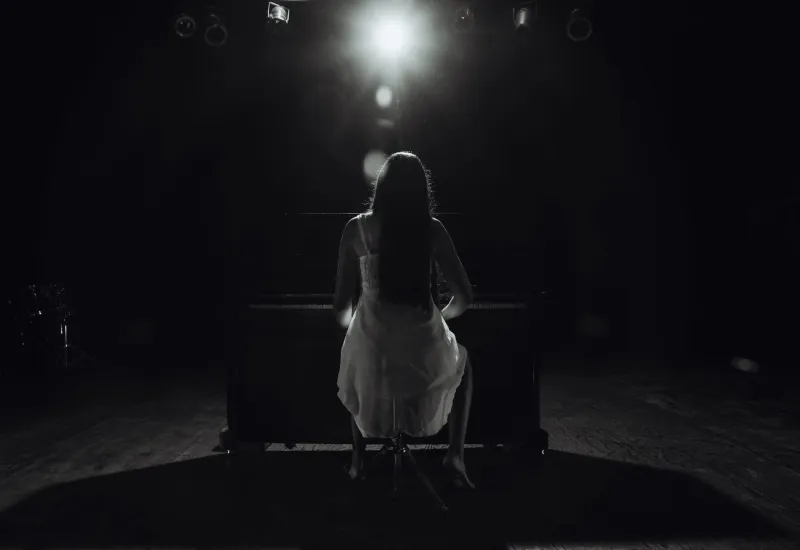
The audience at Carnegie Hall sees only the final ten percent. What precedes it—decades of it, in fact—happens in soundproofed corners of Queens, in borrowed practice rooms at Juilliard, in Brooklyn bedrooms with egg-carton acoustic panels taped to the walls.
For the professional classical musician, practice is not an activity. It is a discipline of almost monastic regularity, and its private textures are as varied as the city itself.
The Morning Hours Belong to the Fundamentals
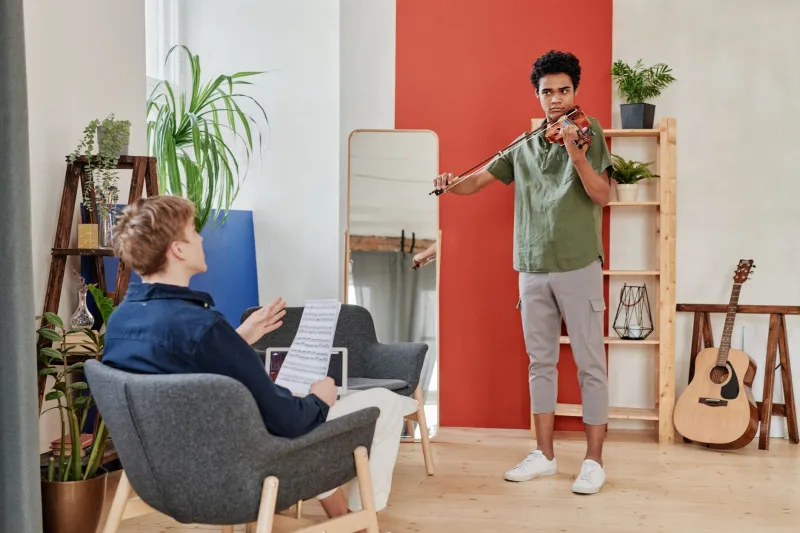
Ask nearly any orchestral player in New York when the real work happens, and the answer is the same: early. A violinist in the New York Philharmonic's violin section, who asked to be described only as a twenty-year veteran of the second stands, begins every day with twenty minutes of open-string work—"the most boring sound in the world, and the most honest."
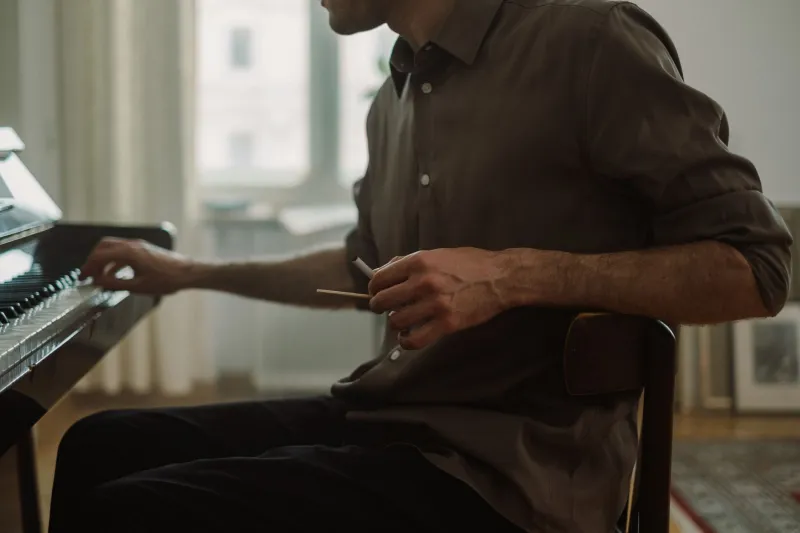
The ritual is common across instruments. Horn players drone long tones against a tuner. Pianists run slow scales with a metronome set absurdly low. Cellists return, again and again, to the first position they mastered as children. The great paradox of the profession is that its most accomplished practitioners spend their mornings behaving like beginners.
"The fundamentals are the mortgage payment," one freelance flutist in Astoria puts it. "You don't get to skip it and still keep the house."
Superstition, Rosin, and Lucky Sweaters
For a profession built on rational mastery, classical music harbors a remarkable amount of magic. Interviews with players across the city surfaced a catalog of private observances: the oboist who always reeds her final reed of the day but never plays it until morning; the percussionist who taps his left shoe twice before entering the studio; the conservatory senior at Manhattan School of Music who wears the same moth-eaten cardigan to every jury because "the Brahms lives in it now."
Psychologists might call these rituals anxiety management. The musicians themselves are less clinical. "When you're alone in a practice room for six hours," one Juilliard graduate student says, "you develop a relationship with the room. You negotiate with it."
The Mental Game
Perhaps the least visible labor is psychological. Practice at the professional level is an ongoing negotiation with imperfection, and several players described elaborate mental architectures for sustaining it.
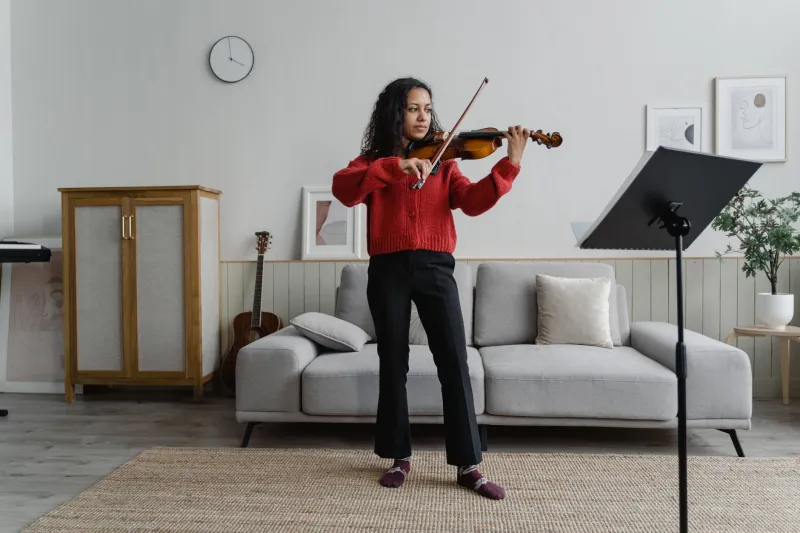
A Brooklyn-based freelance violinist keeps what she calls a "deficit ledger"—a notebook logging passages that failed that day, to be addressed tomorrow. "It converts frustration into a to-do list," she explains. "Frustration is useless. A list is actionable."
Others describe deliberate deception: practicing difficult passages at half tempo while imagining the full tempo, or rehearsing in performance clothing to trick the brain into a state of heightened attention. One timpanist practices with the lights off, having decided years ago that darkness sharpens the ear.
Burnout and the Long Middle
The romantic image of the devoted artist conceals a harder truth: repetition, year after year, can hollow a person out. Several musicians spoke candidly about the middle years of a career, when the thrill of the conservatory has faded and the ceiling of achievement has become visible.
The remedies they described were rarely dramatic. A Harlem-based violist takes one day a week on which she does not touch the instrument at all—"a Sabbath, and I keep it religiously." A brass player in a Broadway pit orchestra took up woodworking, finding that making things with his hands restored the pleasure of making things with his lips.
Many emphasized the value of playing badly on purpose. Spending ten minutes improvising, sight-reading trash, or noodling without judgment functions, in the words of one player, "as a reminder that I got into this because it was fun, not because it was correct."
The Invisible Half of the Art
What emerges from these conversations is a portrait of the city's musical life that no concert program can capture. The seamless performance heard in a Lincoln Center hall is the visible surface of thousands of solitary mornings—of droning, of failed passages logged in notebooks, of lucky sweaters and negotiated truces with practice rooms.
The next time the lights dim and the oboe sounds the A, consider the twenty years of closed doors behind that single note. The polished surface, it turns out, is made entirely of things no one was meant to see.