The First Touch: How New York’s Instrument Tables Build Tomorrow’s Audience
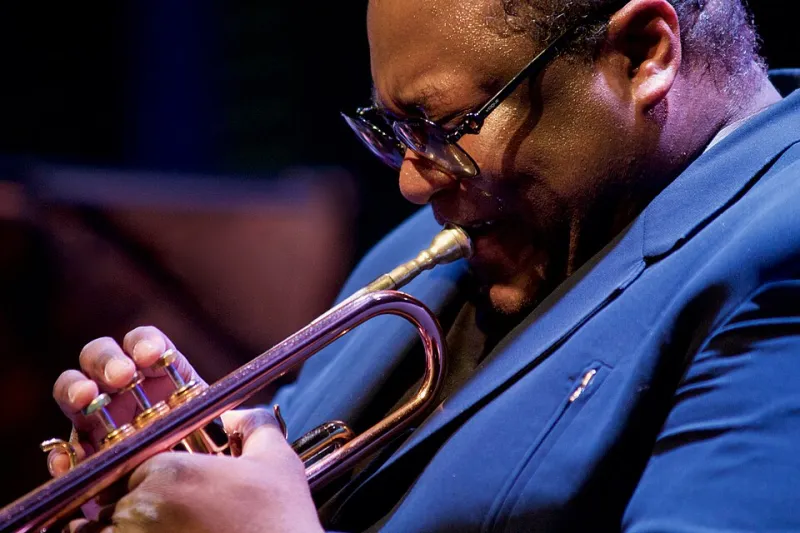
Photo: Dirk Neven, CC BY 2.0, via Wikimedia Commons
The moment is rarely elegant. A child lifts a violin that is too large, tucks it under the chin, and draws the bow across the strings with more curiosity than control. A French horn, heavy in small hands, produces a note somewhere between a hum and a honk. A flute is assembled, tried, and set down in favor of a cello. Around the table, parents take photographs and teachers smile. No one pretends that this is a concert. It is something more preliminary and, in its way, more consequential: a first contact.
Across New York, instrument “petting zoos” and hands-on outreach tables have become familiar features of the classical landscape. They appear at community fairs, library branches, school residencies, and family concerts. Orchestras, conservatories, music schools, and arts organizations bring out instruments that children can touch, hold, and try under supervision. The format is simple. The implications are not.
A Tactile First Sentence
Classical music is often introduced through listening, and listening remains essential. But a child who has never held a violin may hear one differently after feeling its weight. The instrument becomes a physical fact rather than an abstract sound. The bow has a balance point. The keys of a clarinet have resistance. The French horn’s bell is wide enough to put a hand inside. These details do not require technical understanding; they require proximity.
That proximity is what the best instrument tables provide. They turn the orchestra from a distant image into a set of objects that can be investigated. A child may not remember the name of the concerto being played in the hall, but they may remember the cool metal of a flute under their fingers or the surprising vibration of a cello’s body against their knees. Such memories are not trivial. They are the sensory foundation on which later listening can build.
Access Is the Instrument
The programs vary widely, but their shared premise is access. In a city as unequal as New York, access is not only a matter of ticket prices. It is also a matter of exposure, transportation, scheduling, and the confidence that a cultural institution is a place where one belongs. Instrument tables lower the threshold. They are usually free, informal, and designed for families who may not know the difference between a viola and a violin. The invitation is not to become a musician, but to become curious.
The most thoughtful programs build relationships beyond the single encounter. A table at a school may lead to a residency; a library demonstration may connect families to instrument loans or low-cost lessons. Some organizations train teenage musicians to staff the tables, giving young performers a role in welcoming younger children. The result is a network of small introductions rather than a single promotional event.
From Curiosity to Subscription
Audience-building is often discussed in terms of marketing, but the instrument table operates on a different logic. It creates familiarity before it asks for commitment. A child who has tried a trumpet may listen to a brass fanfare with a new attention. A parent who has watched a child hold a cello may reconsider a family concert. The path from tactile encounter to ticket buyer is neither direct nor guaranteed, but it is plausible in a way that a poster campaign is not.
New York’s classical institutions have reason to care. The city’s audience is aging in some halls and diversifying in others. The long-term health of the tradition depends on people who feel that the concert hall is open to them. Instrument tables are not a solution to that challenge, but they are a useful beginning. They make the orchestra tangible, and tangibility is a form of welcome.
The Logistics of Wonder
The practical work behind a petting zoo is considerable. Instruments must be durable enough to survive enthusiastic handling and valuable enough to be worth introducing. Mouthpieces require hygiene protocols; strings require supervision; percussion requires noise management. Staff must be trained to demonstrate without condescending and to correct a child’s hold without discouraging them. Insurance, transport, and setup are real costs.
The best programs treat these logistics as part of the pedagogy. A child learns that an instrument is not a toy, even if the first encounter is playful. They learn to wait their turn, to listen to instructions, and to handle something fragile with care. The table becomes a small lesson in citizenship as well as music.
What the Halls Owe the Table
If instrument tables are to do more than generate photographs, they need institutional commitment. That means funding staff time, maintaining instruments, and following up with families who show interest. It means inviting the same schools back and not treating outreach as a seasonal gesture. It means measuring success not only by attendance at the next family concert but by the number of children who feel entitled to walk into a hall again.
In New York, the first touch is often literal: a hand on a violin, a breath through a mouthpiece, a bow drawn across a string. The sound may be uncertain. The encounter is not. It is the beginning of a relationship between a child and the classical tradition, and it deserves the same seriousness we give to the concert itself.