Practice Rooms with Open Doors: A Listener's 2026 Guide to New York's Conservatory Stages
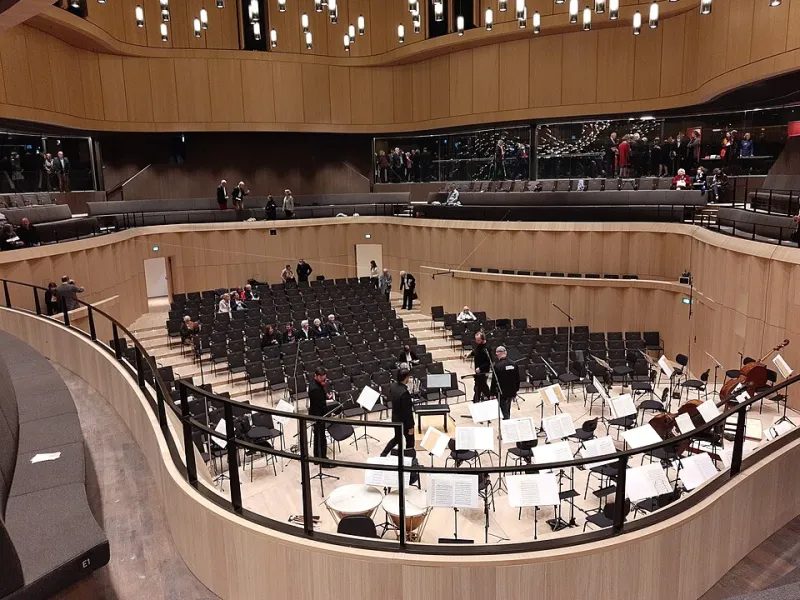
On a Thursday afternoon in October 2026, a line forms outside a recital hall at Juilliard. The audience is a mix of students, neighbors, and a few visitors who have learned that some of the city's most interesting concerts are also the least advertised. The performance is free. The program includes a new chamber work, a Schubert song cycle, and a solo cello suite. No one is handing out programs at the door; the details are on a printed sheet taped to the wall.
This is the conservatory recital, New York's overlooked concert tradition. It is not a secret, exactly, but it is hidden in plain sight—listed on school calendars, announced by email, and attended by those who know where to look.
Why Conservatory Recitals Matter
Student recitals are where the classical tradition is most visibly alive. The repertoire is often more adventurous than what appears on major subscription series: new works by student composers, rare chamber music, opera scenes, and solo programs built around a young musician's curiosity. The stakes are high for the performers and low for the audience. Tickets are free or nearly free, dress codes are informal, and the atmosphere is generous.
For listeners, these concerts offer a chance to hear the next generation before it reaches the major stages. For the city, they are a reminder that classical music is not only a product of institutions but a daily practice carried out in practice rooms and teaching studios.
Where to Look: The Major Institutions
New York's conservatory landscape is dense. Juilliard, at Lincoln Center, presents hundreds of student recitals each year, many of them free and open to the public. The Manhattan School of Music, on the Upper West Side, maintains a busy calendar of degree recitals, chamber concerts, and opera productions. Mannes School of Music, part of The New School's College of Performing Arts, offers recitals and master classes in its Greenwich Village and Lincoln Center facilities. Brooklyn College Conservatory and NYU Steinhardt also host student performances, often with little fanfare.
How to Find the Calendar
The first step is the institution's website. Most conservatories maintain an events calendar that can be filtered by date, instrument, or performance type. Some recitals require free reservations; others simply ask you to arrive early. Sign up for email newsletters and follow the schools' social media accounts, where last-minute additions and master classes are often announced. When in doubt, call the box office or the concert office and ask what is open to the public that week.
What to Expect at a Student Recital
A degree recital is a formal requirement for the student and a public performance for the audience. Programs vary widely: a forty-five-minute voice recital, a full-length piano program, a chamber music collaboration. Some performances are polished; others are works in progress. That is part of the appeal. You are hearing music in the making, not a finished product.
Expect a simple setup, a printed program, and an audience of friends, teachers, and curious listeners. Applause between movements is generally acceptable at student recitals, though the usual concert conventions apply. Photography and recording may be restricted.
Master Classes: Listening as a Craft
Master classes are the conservatory's open rehearsals. A distinguished teacher works with a student in front of an audience, offering corrections, questions, and interpretive ideas. For listeners, these sessions can be as illuminating as a concert. They reveal how music is taught, how problems are solved, and how a phrase moves from the page to the ear.
Many master classes are free and open to the public, though seating may be limited. Check the school's calendar and arrive early.
Etiquette and Practicalities
Arrive early; late seating may be restricted. Dress comfortably but respectfully. Silence your phone. Do not leave during a movement if you can avoid it. If a recital is free, consider a donation to the school's scholarship fund—it is a small gesture that sustains the next generation.
The Case for Going Early and Often
New York offers no shortage of world-class concerts. But the conservatory recital offers something different: intimacy, risk, and the thrill of discovery. The performers are not yet famous, the programs are unpredictable, and the price is right. In 2026, as the city's major halls continue to command high ticket prices, the practice room door remains open. Walk through it.